
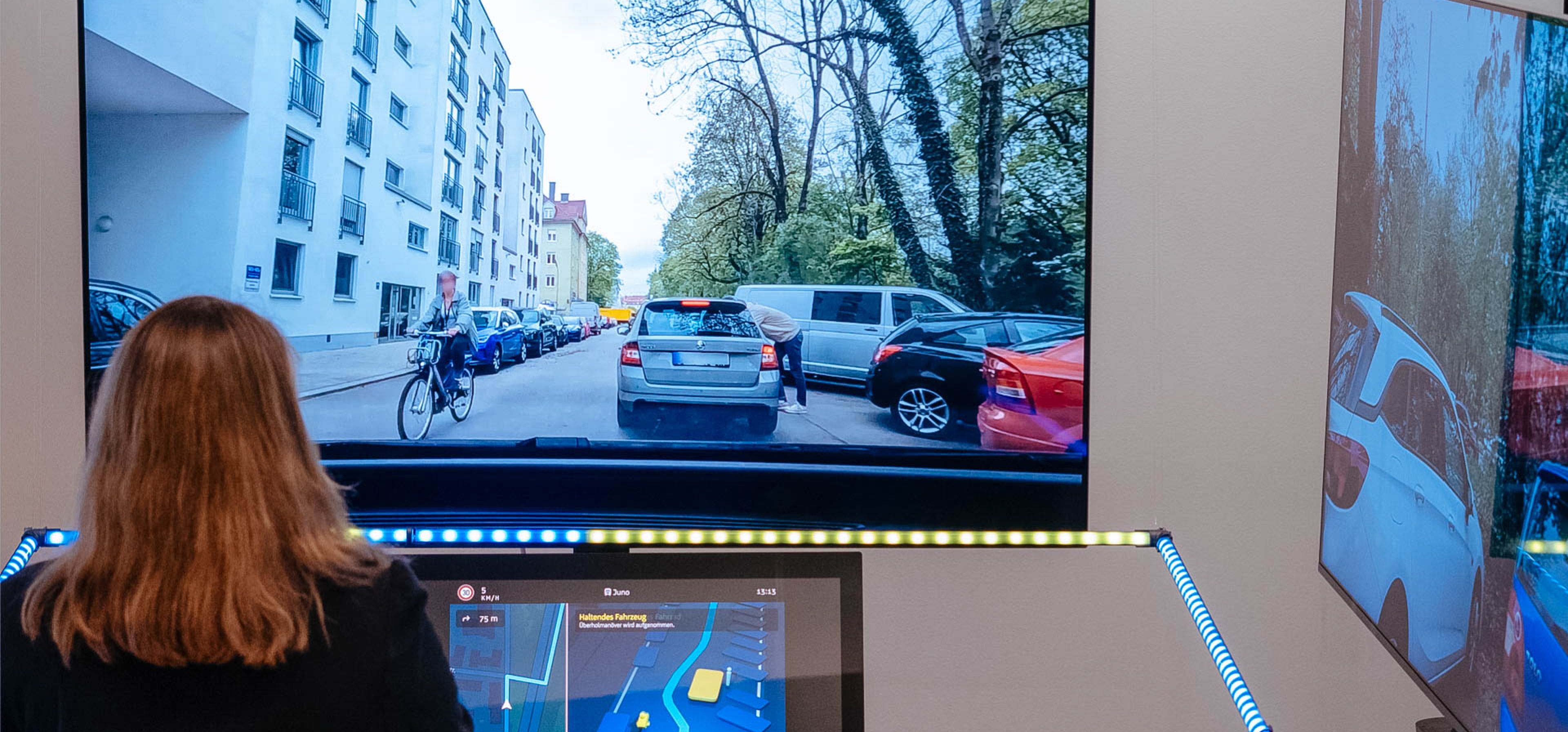


How can we make autonomous driving understandable and accessible for everyone?
That is the central question for us in the STADT:up project. In Subproject 2 – “Human Factors”, Ergosign focuses on developing information and interaction concepts that explain the behavior of autonomous vehicles. Only when we understand what’s happening around us and how the vehicle is making decisions can we feel truly safe. Human-centered user experience design is crucial here: solutions must be aligned with people’s needs to unlock their full potential.
Adaptive and modular interaction concepts
To build trust in AI-based systems like autonomous vehicles, we need to demonstrate how they make decisions. We are experimenting with various ways and modalities to communicate AI decisions — via displays, audio signals, or ambient lighting. It’s important that the information is helpful without being overwhelming. We’re aiming for the perfect information balance and exploring situation- and context-dependent interaction modules.
Simulator studies provide key insights
We rigorously test our ideas and concepts through user studies and simulation environments. Some of our key findings so far include:
Information needs: The occupants’ need for information strongly depends on how safe or dangerous the driving situation feels.
Critical moments: In critical situations, many occupants find it important to know exactly what the vehicle sees and plans. A clear and understandable visualization of the surroundings is very valuable here.
Multimodal signals: Multimodal signals can optimize the user experience but require careful design to avoid overwhelming or irritating the users. Light and sound cues can enhance UX and build trust in autonomous vehicles if used purposefully.
Augmented reality: Looking ahead
To improve information delivery, we’re currently exploring the potential of Augmented Reality (AR). With AR, we can project cues and information directly into the user’s field of vision, such as onto the windshield. In summer 2025, we plan to conduct further user studies in Munich and Hamburg to explore this in more detail.
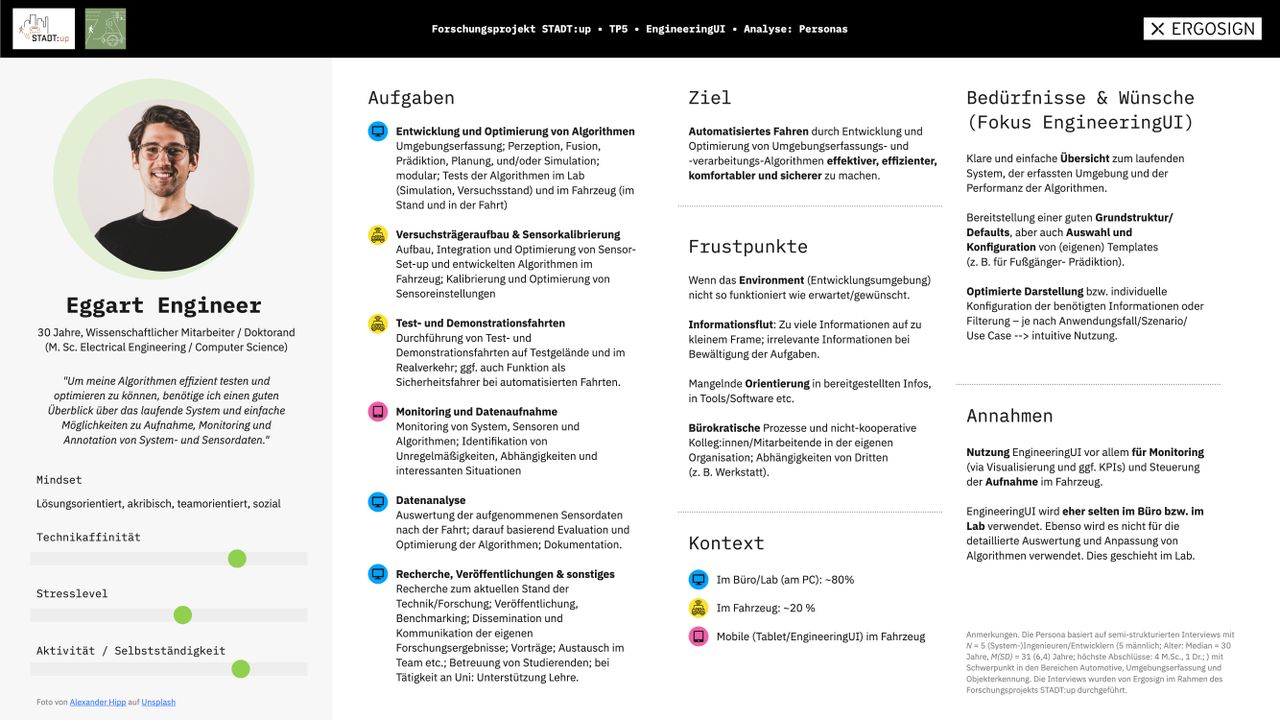
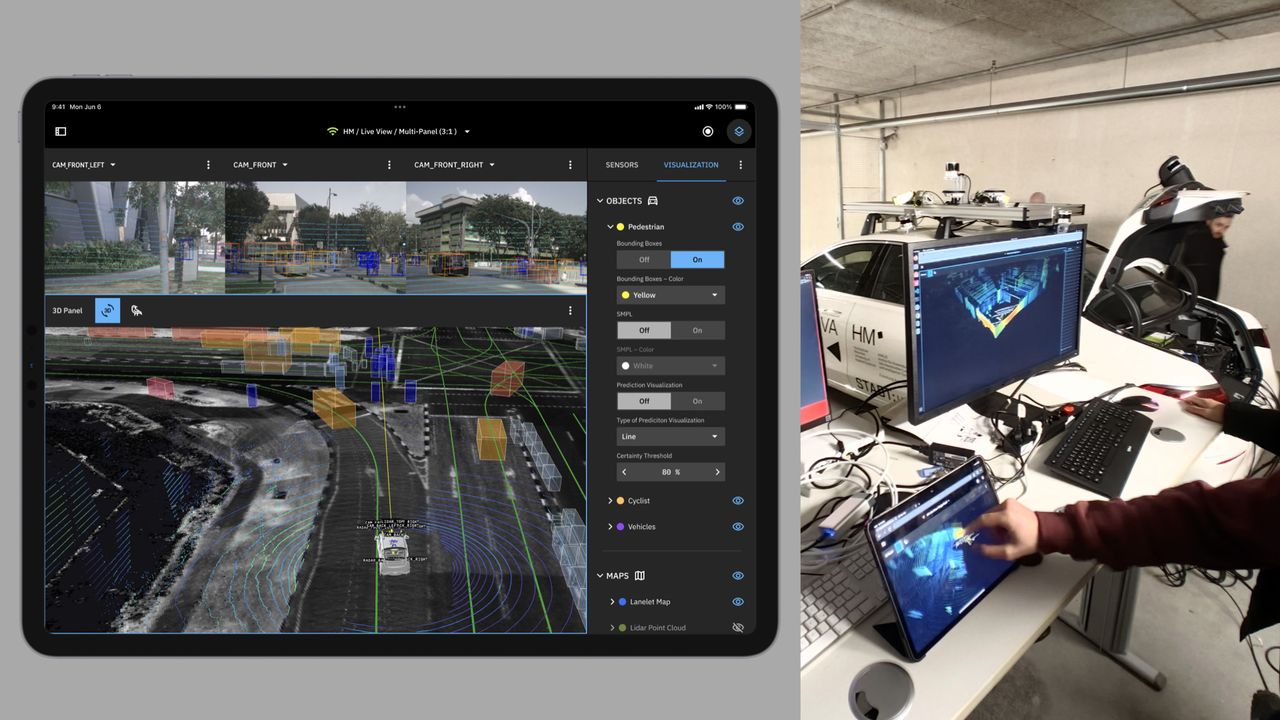

)
)
)
)